Retirement 2.0: Work Optional
Bradley Harsch, AIF®
Retirement is becoming obsolete. At least the version of retirement many of us grew up imagining.
For decades, retirement was viewed as a finish line. Work hard. Save diligently. Reach a certain age. Walk away from your career. Then spend the rest of your life living off the assets you accumulated along the way.
That model made sense when people retired at 65, lived another 10 or 15 years, and often relied on pensions to provide a significant portion of their income. But today's reality looks very different.
People are living longer. Staying healthier. Remaining engaged. Starting businesses, consulting, mentoring, volunteering, and exploring passions that may have been deferred during their working years.
More importantly, many successful people don't actually want to stop working. They simply want the freedom to choose.
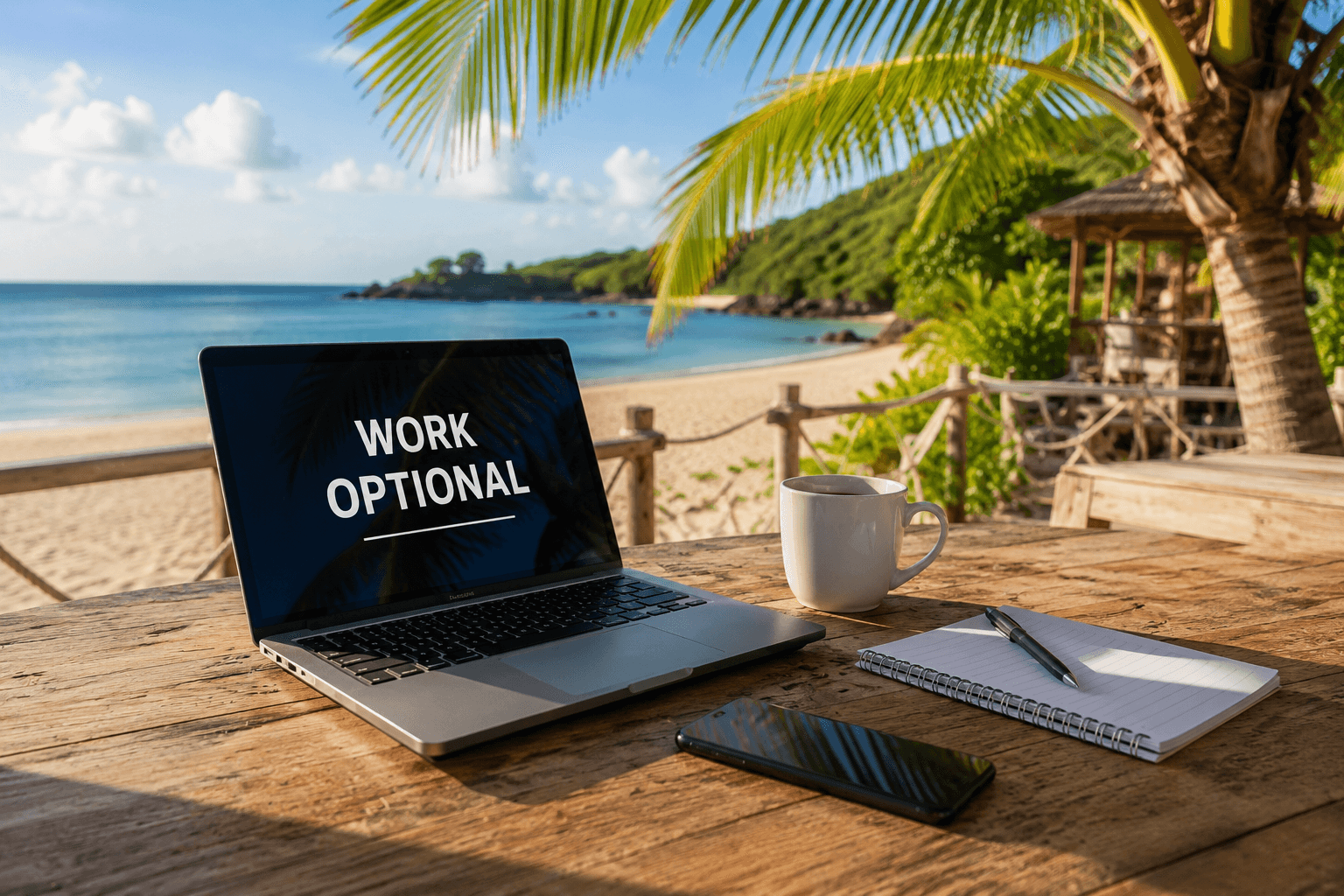
The future of retirement may not be retirement at all. It may be something better. It may be “Work Optional”.
I. Sustainability
Traditional retirement planning often focused on a date.
Pick an age. Accumulate enough money by that age. Then adjust your lifestyle to whatever level of spending your resources can support.
The problem is that life rarely unfolds according to a calendar.
What if you love what you do? What if you want to work part-time? What if you decide to launch a passion project at 67? What if your health, family, or priorities change?
Retirement 2.0 focuses less on arriving at a date and more on creating a sustainable lifestyle. The objective is no longer simply reaching retirement. The objective is building a life that can be sustained financially, physically, emotionally, and personally.
The questions become:
Can my resources support the life I want?
Can my health support the experiences I value?
Can my relationships support the journey ahead?
Can I maintain flexibility as my priorities evolve?
A sustainable retirement is not a moment. It's a system.
II. Fluidity
Traditional retirement is often portrayed as a switch. One day you're working. The next day you're retired.
Reality is far more nuanced. Today's retirees frequently move between different levels of engagement.
Some consult a few days a month, serve on nonprofit boards, mentor younger professionals. Some start entirely new ventures or take extended breaks before re-engaging in meaningful work.
The transition is fluid. Income may come from investments, consulting, rental properties, business interests, or part-time work.
Activities evolve. Interests change. Priorities shift. Retirement 2.0 embraces the idea that life happens in seasons rather than stages. Instead of a hard stop, it becomes a gradual evolution toward greater freedom and flexibility.
III. Journey
Perhaps the biggest shift is philosophical. For years, many people have viewed retirement as the destination. Work. Save. Sacrifice. Repeat. Then someday life begins.
But what if retirement isn't the real reward?
What if the real reward is building the life you never feel the need to escape from?
Many retirees discover that financial independence solves only one problem. It creates freedom, but freedom alone does not provide purpose.
Purpose comes from contribution, from growth, from relationships, experiences, and having something meaningful to pursue. Retirement 2.0 encourages a different question.
Instead of asking:
"When can I retire?"
Ask:
"What would I do if work became optional tomorrow?"
The answer often reveals something surprising.
Many people wouldn't stop working at all. They would simply work differently. They would spend more time on what matters and less time on what doesn't. They would pursue projects they find meaningful. They would contribute because they want to, not because they have to.
And that's a very different vision of success.
The New Goal
The goal was never retirement. The goal was freedom. Freedom to spend your time intentionally. Freedom to pursue opportunities that excite you. Freedom to say yes because you want to, and to say no because you can.
Retirement 2.0 is not about escaping work. It's about reaching a point where work becomes optional. And that may be the most valuable financial milestone of all.